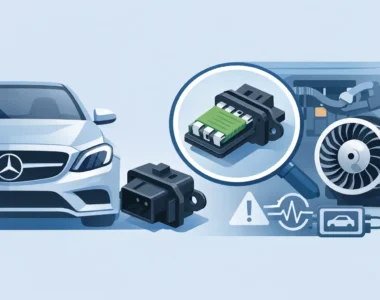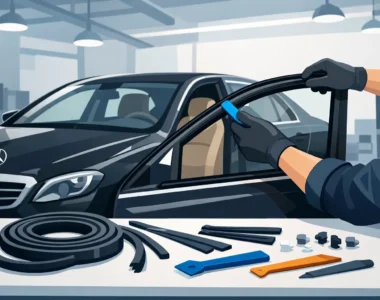

The wrong accessory stands out fast on a classic Mercedes. A mirror cap with the wrong finish, a wheel that misses the period look, or interior trim that almost matches can take a well-kept W107 or W124 and make it feel pieced together. That is why genuine mercedes benz accessories still matter, especially when you are working on a car where fit, finish, and model correctness are part of the value.
For owners of older Mercedes chassis, accessories are not just cosmetic add-ons. They often sit right at the line between preservation and compromise. On a driver-grade R129, the right wind deflector, factory-style floor mats, trunk trim, lighting components, or wheel accessories can improve usability without pushing the car away from its original character. On a more serious restoration, those same decisions affect authenticity, resale, and how the car is judged by people who know the platform.
Why genuine Mercedes Benz accessories still matter
On newer daily drivers, the aftermarket can be good enough for some categories. Classic Mercedes ownership is different. A Pagoda, SEC, or 190E asks for parts that respect original dimensions, materials, and styling language. Genuine accessories were designed around specific chassis, body lines, mounting points, and interior finishes. That usually means fewer fitment surprises and fewer visual mismatches.
There is also the issue of consistency. Mercedes engineered its cars with a very particular design discipline. When an accessory is right, it looks like it belongs there because it always did. When it is wrong, even slightly, the gap, grain, sheen, or hardware tends to give it away. Serious owners notice that immediately.
Function matters too. Exterior accessories, lighting pieces, weather-related components, and cabin trim often do more than improve appearance. They protect the car, preserve usability, and prevent small issues from becoming bigger repairs. A proper trunk liner, fitted mud flaps, factory-style spoiler, or correct wheel hardware can serve a practical purpose while still keeping the car visually coherent.
Where buyers go wrong with genuine Mercedes Benz accessories
The most common mistake is assuming accessory fitment works across generations just because the cars look related. Mercedes changed details constantly. A late R107 and an early R107 may share broad identity, but trim, mounting points, finish details, and packaging can differ. The same goes for W124 sedan, coupe, wagon, and cabriolet applications. Close is not correct.
The second mistake is chasing price first. That makes sense on generic maintenance items in some cases, but accessories are where cheaper alternatives often reveal themselves fastest. Poor fit, weak materials, inconsistent color, and missing mounting hardware can turn a simple install into a return problem. On a classic car, that lost time is often more expensive than buying the right part once.
The third mistake is treating all originality questions the same. Not every car needs concours-level correctness. A weekend driver may benefit from useful, model-correct accessories even if every piece is not date-code perfect. A collector-grade W111 coupe is a different conversation. The key is being honest about the car and buying accordingly.
What to look for before you buy
Start with the chassis, not the marketing label. W113, W201, R129, W124, and W107 buyers already know this, but it is worth stating plainly: chassis code is the baseline for accessory accuracy. If the listing or supplier does not speak clearly in chassis terms, there is a good chance you will spend extra time confirming what should have been obvious.
After that, look at finish and specification. On classic Mercedes models, small visual details carry a lot of weight. Is the trim satin or bright? Is the material consistent with the original cabin? Does the wheel design fit the era of the car? Is the accessory tied to a specific body style or market variation? These are not minor points when the goal is to preserve the character of the vehicle.
Hardware completeness also matters. Many accessory installs are straightforward only when the correct clips, brackets, fasteners, seals, or mounting pieces are included. Missing hardware is one of the easiest ways to turn an easy purchase into a frustrating parts hunt.
If the car is restored, compare the accessory against the current build standard. A highly original interior can make a lower-grade reproduction piece look even worse. On the other hand, if the vehicle is a clean driver with sensible upgrades, a practical accessory that matches the spirit of the car may be the right move.
The accessory categories that matter most on classic cars
Interior accessories usually show their quality first. Floor mats, shift trim, seat-related components, wood or plastic cabin pieces, cargo-area trim, and weather protection all sit in direct view. If texture, color, or fit are off, the cabin feels wrong every time you open the door.
Exterior accessories are just as sensitive. Mirror components, spoilers, body trim, mud flaps, grille details, and lighting-related accessories need to sit correctly against the body. A classic Mercedes with poor panel-adjacent fitment looks neglected, even if the rest of the car is sorted.
Wheel and tire accessories deserve careful attention because they alter the stance and period presentation of the car. A factory-correct wheel setup can sharpen the entire look of a W201 or R107. The wrong design can date the car in the wrong direction or make it look modified without purpose.
Then there are specialty accessories for enthusiast platforms. Hardtops, body kits, model-specific aero pieces, and chassis-correct appearance upgrades carry more risk because they are more visible and usually more expensive. On these items, authenticity and fitment information are not optional. They are the product.
Buying for restoration versus buying for use
If you are restoring a car for originality, your threshold should be high. You want accessories that align with the vehicle’s production era, body style, and trim level. This is where genuine parts earn their keep. They protect the integrity of the build and reduce the number of visible compromises.
If you are maintaining a driver, the calculation can be different. Usability matters. You may want accessories that improve comfort, storage, weather protection, or appearance while still keeping the car recognizable as Mercedes-correct. That is a reasonable approach, especially on cars that see regular road time.
Neither approach is automatically better. It depends on whether the car is a collector piece, a long-term keeper, or a well-used enthusiast car. The right purchase is the one that fits the vehicle’s purpose without creating avoidable fitment or quality problems.
Why specialist sourcing matters
This is where a focused supplier has real value. General parts sellers may carry broad accessory inventory, but classic Mercedes buyers usually need more than a generic fitment promise. They need parts organized around real chassis knowledge, clear category structure, and products that make sense for older platforms.
A specialist catalog helps buyers move faster because it mirrors how enthusiasts actually shop – by model, by system, and by known compatibility. That matters when you are sourcing for a 560SL, a 190E, a W124 wagon, or a Pagoda and do not want to sort through pages of irrelevant universal products.
For harder-to-find items, specialist inventory also increases the odds of finding components that are actually appropriate for the car instead of merely adaptable to it. That distinction matters a lot in the classic Mercedes world. Mercedes Parts Zone speaks directly to that buyer, especially when the need is model-specific inventory rather than generic aftermarket selection.
A practical standard for choosing accessories
If you want a simple way to judge a purchase, use three filters. First, does it fit the exact chassis and body style without guesswork? Second, does it look like it belongs on the car in material, finish, and period style? Third, does it support the standard of the vehicle you already own?
If the answer to any of those is no, keep looking. A classic Mercedes rarely benefits from an accessory that is merely acceptable. The cars are too well designed for that, and the owners who care about them usually know the difference.
The best accessory purchases do not call attention to themselves. They simply make the car feel complete, correct, and ready to use – which is usually the clearest sign you bought the right part.